

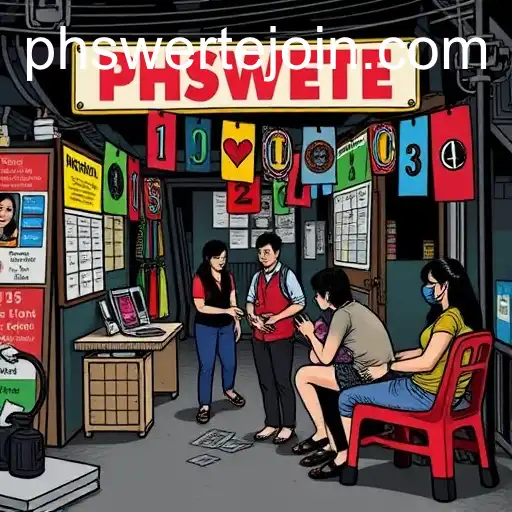

Jueteng is not merely a localized lottery system but a historically ingrained socio-cultural phenomenon in the Philippines. By tracing its origins, we can acknowledge how deeply intertwined this illicit game is with the country's history and societal framework. Jueteng's genesis can be traced back to the 19th century during the Spanish colonial era. Initially introduced as a form of fundraising for religious purposes, it quickly gained popularity among the local populace for its relative simplicity and potentially significant returns on minimal investments. The word "jueteng" itself is derived from a combination of the Spanish word "juego," meaning "game," and the Hokkien word "teng," meaning "flower."
To comprehend the allure of jueteng, one must understand its operational dynamics. Unlike lotteries sanctioned by the government, jueteng thrives in the informal sector of the economy. It operates primarily through a simple two-number betting system, where bettors choose a combination of numbers from 1 to 37. The winning numbers are ostensibly drawn twice a day, and finding a trusted cabulero, or bet collector, is never a challenge, given their pervasive presence in both urban and rural areas. A small wager can potentially yield a tenfold return, making it an attractive proposition for the masses, especially those living below the poverty line. The simplicity, accessibility, and promise of a significant payout contribute significantly to its entrenched popularity.
Exploring the socioeconomic dimensions of jueteng, it's evident why it is more than just a game of numbers. In a country plagued by socio-economic vices, jueteng represents both an opportunity and a survival mechanism. For many impoverished Filipinos, it offers a rare chance at financial windfall, however slim. Moreover, the economic hangover has made jueteng a lucrative alternate livelihood; jueteng operators, bet collectors, and even local officials often depend on its proceeds for a portion of their incomes. This ecosystem of dependency entrenches jueteng's position within the socio-economic hierarchy, cementing its perceived necessity amid economic uncertainty.
Jueteng transcends mere economic dimensions and has, over the years, found its cultural and psychological footing. The daily draw is more than a gamble; it’s a quotidian ritual manifesting hope. A ticket represents more than numbers; it embodies aspirations for a better life. Conversely, psychologists argue that jueteng plays into the cognitive biases, including optimism bias, where bettors overestimate their chances of winning despite overwhelming odds. This psychological grip is compounded by the societal narrative often glorifying winning stories, intensifying people’s belief in their prospective fortune.
Alongside its economic and cultural manifestations, jueteng has also been synonymous with corruption and moral degeneracy within Filipino society. The deep-rooted informal networks required to sustain its operations often include bribing local law enforcement and government officials. Despite numerous crackdowns and promises of eradicating jueteng, it persists, often hiding in plain sight, facilitated by corrupt practices. In many instances, allegations have surfaced implicating even prominent political figures in jueteng scandals, which only showcases the pernicious cycle of patronage politics and corruption it has fueled over the years. This entrenched corruption serves as a formidable barrier against efforts to legalize, regulate, and curb its pervasive influence.
Given its ubiquitous presence, the question of jueteng's legalization frequently emerges in political discourse. Proponents argue that legalization would not only bring the activity under regulatory scrutiny but also transform it into a legitimate revenue stream for the government, thereby reducing its reliance on opaque operations. Conversely, critics caution that legitimization may normalize vice, further entrench it into society, and undermine moral and ethical values. Indeed, past efforts to regulate similar activities faced significant hurdles, caught in the crosshairs of moral, social, and political debates.
Within the contemporary discussion around jueteng, the keyword "phswerte" encapsulates the juxtaposition of luck and destitution. Jueteng does not exist in isolation but reflects broader socio-cultural narratives about destiny and fortune. For regular bettors, "phswerte" is more than the abstract concept of luck; it's a tangible hope that drives participation amidst adversity. Anecdotal stories where chance encounters with luck change lives are not new, highlighting the role of narrative and folklore in sustaining jueteng's potency and allure.

Dive into the innovative game of PokerLife, explore its unique gameplay, and discover how it connects with today's gaming landscape.

Dive into the vibrant universe of FruitNovaSuper, an engaging game where players navigate through a world bursting with colorful challenges and captivating gameplay. Explore its unique introduction, detailed description, and comprehensive rules as you embark on a journey like no other.

Dive into the innovative mechanics of ScratchMatch, exploring its gameplay, introduction, and rules within the realm of gaming.

Explore the enchanting realm of CrazyNuoZha, a game that blends thrilling adventures with strategic challenges, captivating players worldwide.

Dive into the vibrant world of FruitrNovaSupe30, an innovative game blending strategy and adventure. Discover its rules, features, and unique charm amidst global gaming trends.

Explore the world of ChristmasCrash, a unique game that combines holiday cheer with thrilling gameplay. Discover its features, rules, and connections to current events.
